

Why Custom Cap Printing Is Perfect for Promotions, Gifting, and Brand Awareness
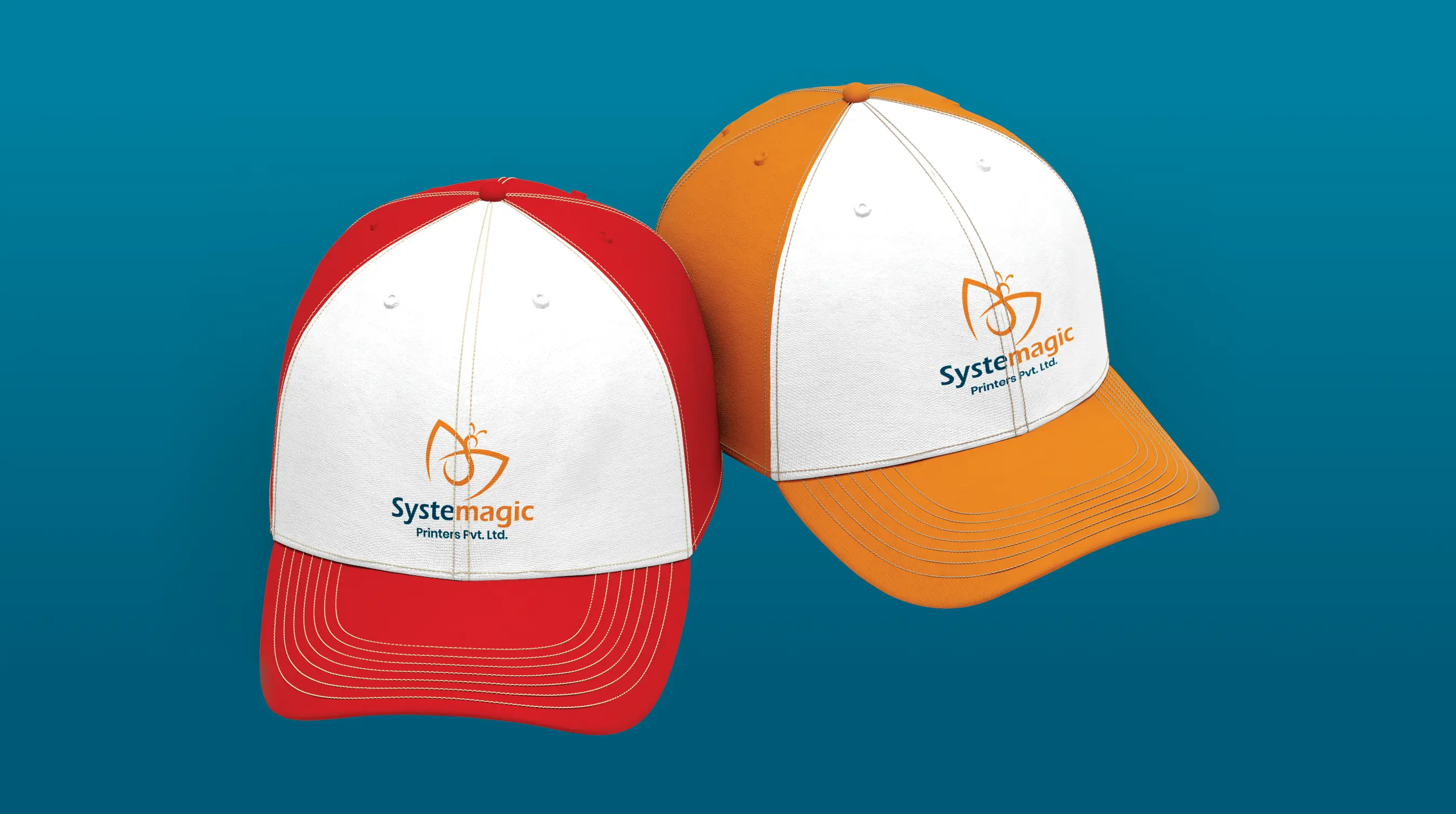
A complete beginner’s guide to choosing the best cap printing technique for your needs
The right cap printing method brings your idea to life with clarity and strength. It shapes how your design feels, how long it lasts, and how people connect with your brand. This guide helps you understand each method in simple language so you choose confidently.
Cap printing transforms a plain cap into a meaningful product. It supports branding, promotional events, gifting, and modern street fashion. Every technique behaves differently on curved panels and different fabrics, so the choice matters more than most people realise.
Why cap printing plays a key role in design and branding
Caps are small but powerful branding tools. Their curved front panels require techniques that handle shape and structure effectively. A clean print supports your identity. A durable print protects your investment.
People prefer cap printing for corporate uniforms, brand merchandise, event giveaways, sports teams, custom gifts, and fashion collections.
A good print stays sharp in sunlight. It holds its form during daily use. It supports your message without losing detail.
When embroidery becomes the smart choice for premium caps
Embroidery adds thread-based depth that instantly looks refined. The raised finish feels strong and reliable. It bends naturally with the curve of the cap, so the design remains stable even after long use.
Brands use embroidery to highlight logos, letters, badges, and symbols. It works best with simple shapes and limited colors because the thread brings natural texture. Outdoor conditions do not affect it easily, so it stays fresh for years. Fashion labels choose it for caps where identity and finish matter more than speed.
Why screen printing works well for bold and high-volume caps
Screen printing uses ink pushed through a stencil to create bright, solid impressions. It suits large batches because it maintains consistency across hundreds of pieces. The colors stand out clearly, so visibility becomes a strong advantage during events and promotions.
Flatter panels take screen printing well, but advanced presses can handle curved caps too. Strong lines and bold graphics look excellent with this method. When you need a high-volume, cost-efficient solution with strong colors, screen printing delivers.
How heat transfer printing helps with full-color and small-batch caps
Heat transfer printing offers flexibility for beginners and small orders. You print the artwork on a special sheet. Heat and pressure move the design to the cap. The result supports gradients, shadows, and detailed illustrations.
People often choose heat transfer printing for personalised gifts or limited collections. Production works fast and suits nearly every cap material. The finish stays smooth. The colors remain vibrant for casual or occasional use. If you need full-color caps without minimum order pressure, heat transfer printing makes the process simple.
Why vinyl printing and DTF printing create sharp and modern cap designs
Vinyl and DTF printing introduce more freedom in color and texture. Vinyl delivers a slightly raised effect that feels crisp. DTF produces soft yet sharp artwork with impressive detail.
These methods adapt to cotton, polyester, and blended fabrics without difficulty. They support multi-color logos and rich illustrations. Short runs, custom designs, and modern fashion pieces benefit from these techniques because the prints look fresh and contemporary.
How cap material affects final print quality
Cap material shapes the print result. Cotton absorbs ink smoothly and handles embroidery well. Polyester supports vibrant finishes with DTF, vinyl, and heat transfer. Blended fabrics handle almost every technique, so they work well for uncertain or mixed orders.
If you want durability, match the method with the fabric. Cotton prefers thread and ink. Polyester prefers transfer-based prints. Blends accept anything with stable results.
Durability factors you should consider before choosing a technique
Caps face sunlight, sweat, dust, and outdoor movement. Embroidery offers the longest life because thread does not crack. Screen printing lasts well with bold graphics. Heat transfer and vinyl work best for fashion or casual usage.
If the cap will be worn daily, focus on stitching or strong ink. If the cap is for events, choose a method that balances budget with visual impact.
How to decide the best cap printing method for your needs
Consider your purpose, quantity, and fabric. A neat brand logo works nicely with embroidery. A colorful graphic for merchandise matches DTF or heat transfer. Event caps suit screen printing. Personalised one-off caps work well with vinyl or transfer films.
Once you identify your design style and usage, the method becomes clear.
What cap printing trends are gaining attention in 2025
Brands are choosing textured embroidery for a premium feel. DTF printing is rising because it handles details on almost all materials. Layered styles with patches are entering fashion collections. People also prefer personalised caps for gifting, supported by modern heat transfer systems.
Conclusion
Choosing the best cap printing technique depends on fabric, design style, durability needs, and order size. Embroidery stays the strongest option for long-term use. Screen printing works for bulk orders. DTF and heat transfer offer flexibility for full-color designs and small batches.
A clear understanding of these methods helps you create caps that look professional and stay durable across branding, events, promotions, or fashion projects.
Bring your cap designs to life with expert guidance
If you want help selecting the ideal technique or exploring printing options, share your design or idea. I can guide you with the perfect method, expected durability, and the most efficient production approach.